A great steak does not need a complicated recipe. Start with a quality cut, season it well, cook it with care & give it time to rest before slicing.
The challenge is choosing the right steak. Some cuts are prized for rich marbling, others for exceptional tenderness & some deliver plenty of beef flavour at a more approachable price.
This guide explains the differences between popular beef steaks, including ribeye, striploin & tenderloin, along with the cooking methods that help each cut shine.
Ribeye: Rich, Juicy & Full of Flavour
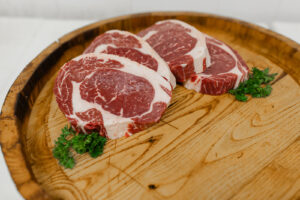
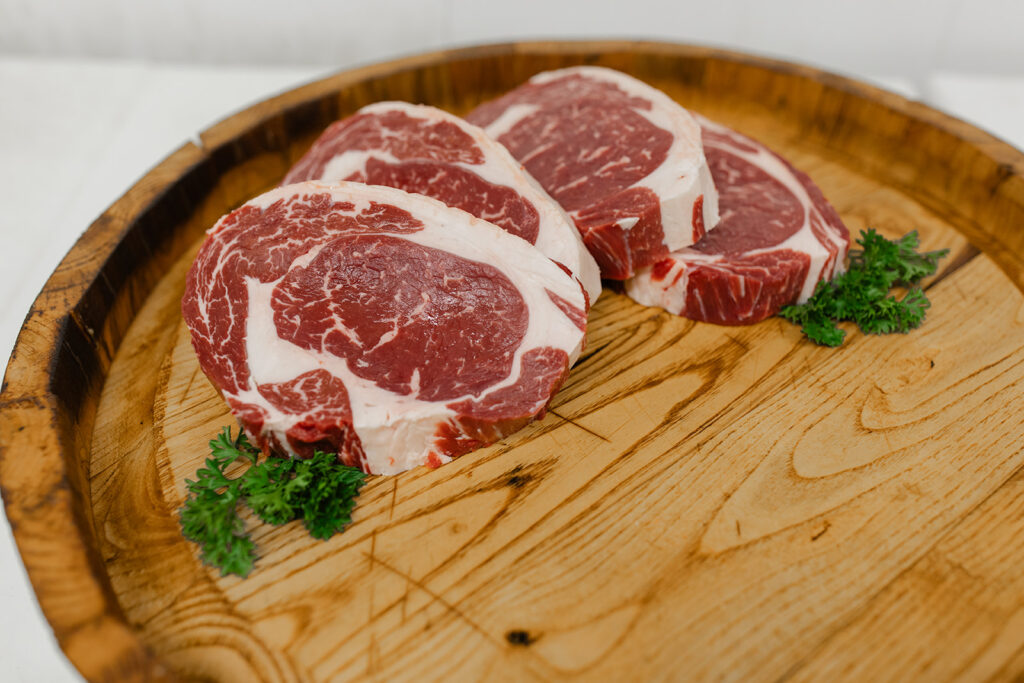
Ribeye is cut from the rib section of the animal. It is known for the generous marbling that runs through the meat.
As that intramuscular fat melts during cooking, it bastes the steak from within. The result is a rich, juicy steak with bold beef flavour.
Ribeye is a great choice for:
-
Barbecuing
-
Cast-iron cooking
-
Special family dinners
-
Anyone who values flavour and juiciness
The best way to cook ribeye
Ribeye responds well to high heat. A barbecue or heavy cast-iron pan will create a beautifully browned crust while keeping the inside tender and juicy.
Because ribeye contains plenty of natural fat, it usually needs little more than salt, pepper & perhaps a touch of garlic.
For especially thick steaks, sear both sides over high heat before moving the steak to a cooler area of the grill or finishing it in the oven.
Watch for flare-ups when grilling. Ribeye’s marbling is part of what makes it delicious, but dripping fat can create sudden flames.
Striploin: The Steakhouse Favourite
Striploin is cut from the short loin. Depending on where you shop, you may also see it called a New York strip, strip steak or Kansas City strip.
It offers an excellent balance of tenderness, marbling & beef flavour. Striploin is generally leaner than ribeye but more richly flavoured than tenderloin.
A strip of fat commonly runs along one side of the steak. Leaving it in place during cooking adds flavour and helps protect the meat from drying out.
Striploin is a great choice for:
-
Grilling
-
Cast-iron searing
-
Steak sandwiches
-
A dependable all-around steak
-
People who want a balance of flavour & tenderness
The best way to cook striploin
Season the steak generously with salt & pepper, then cook it over high heat to develop a deep brown crust.
If using a cast-iron pan, add a little butter, garlic & fresh herbs near the end of cooking. Tilt the pan slightly & spoon the melted butter over the steak.
Avoid repeatedly pressing the steak with a spatula. Pressing forces flavourful juices out of the meat and into the pan or barbecue.
Tenderloin: Exceptionally Tender & Naturally Lean
Tenderloin comes from a long muscle located along the inside of the animal’s back. Because this muscle does very little work, it produces some of the most tender beef available.
Filet mignon is a steak cut from the smaller end of the tenderloin.
Tenderloin is much leaner than ribeye or striploin. Its appeal comes from its buttery texture and tenderness rather than heavy marbling or intense beef flavour.
Tenderloin is a great choice for:
-
Celebrations
-
Date nights
-
Elegant dinners
-
Anyone who prefers a lean, exceptionally tender steak
The best way to cook tenderloin
Tenderloin is best cooked quickly using dry heat. A hot grill or cast-iron pan will give the exterior good colour without overcooking the centre.
Because the cut is lean, it benefits from a little added richness. Try finishing it with garlic butter, herb butter, peppercorn sauce or a simple pan sauce.
Tenderloin steaks are often cut thick. After searing both sides, lower the heat or finish them in the oven until they reach the desired internal temperature.
Take care not to overcook tenderloin. Its naturally lean character means it can become dry when cooked too far.
Sirloin: Versatile, Flavourful & Family Friendly
Sirloin comes from the area between the short loin and round. It is typically leaner and a little firmer than ribeye or striploin, but it still delivers satisfying beef flavour.
Sirloin is a versatile option for families who want a good grilling steak without always choosing one of the highest-priced premium cuts.
Sirloin is a great choice for:
-
Weeknight meals
-
Steak sandwiches
-
Beef kabobs
-
Stir-fries
-
Salads
-
Marinating & grilling
The best way to cook sirloin
Cook sirloin over medium-high or high heat, but avoid taking it much beyond medium if you want to preserve its tenderness.
A marinade can add moisture and flavour, particularly when working with a thinner sirloin steak. Always slice cooked sirloin against the grain to shorten the muscle fibres and make each bite more tender.
T-Bone & Porterhouse: Two Steaks in One
T-bone and porterhouse steaks contain both striploin and tenderloin, separated by their distinctive T-shaped bone.
The difference is primarily the size of the tenderloin portion. A porterhouse is cut from the rear portion of the short loin and contains a larger section of tenderloin. A T-bone generally has a smaller tenderloin section.
T-bone and porterhouse are great choices for:
-
Sharing
-
Special occasions
-
Barbecuing
-
Anyone who wants to enjoy two different steak textures
The best way to cook T-bone or porterhouse
These steaks can be challenging because striploin and tenderloin do not cook at exactly the same rate.
Position the tenderloin side over slightly lower heat while keeping the striploin side closer to the hotter part of the grill. For a thick steak, sear it first and then finish it using indirect heat.
Flat Iron: Tender, Beefy & Underrated
Flat iron is cut from the chuck, or shoulder, of the animal. When properly trimmed, it is surprisingly tender and offers excellent beef flavour.
It is well suited to quick, high-heat cooking and can be a great alternative to traditional premium steaks.
Flat iron is a great choice for:
-
Grilling
-
Cast-iron cooking
-
Steak tacos
-
Salads
-
Slicing and sharing
The best way to cook flat iron
Season simply and cook quickly over high heat. Flat iron is usually best enjoyed medium-rare to medium.
Allow it to rest and then slice across the grain.
Flank & Skirt Steak: Big Flavour for Marinades and Slicing
Flank and skirt are long, relatively thin cuts with pronounced muscle fibres and plenty of beef flavour.
They are not naturally as tender as ribeye or tenderloin, but proper preparation can produce a delicious meal.
Flank and skirt steak are great choices for:
-
Fajitas
-
Tacos
-
Stir-fries
-
Steak salads
-
Marinades
-
Feeding a group
The best way to cook flank or skirt steak
A marinade can help add flavour and moisture. Cook the steak quickly over high heat, allow it to rest & slice it thinly against the grain.
That final step makes a major difference. Cutting with the grain leaves long, chewy muscle fibres. Cutting across it shortens those fibres and creates a noticeably more tender bite.
Steak Cooking Tips That Work for Almost Every Cut
Let the surface dry
Pat the steak dry with paper towel before seasoning. A dry surface browns more effectively and helps create a better crust.
Season confidently
Salt & pepper are often all a good steak needs. Season both sides evenly shortly before cooking.
Preheat your cooking surface
Whether using a barbecue or cast-iron pan, allow it to become properly hot before adding the steak.
Use a digital thermometer
Time alone is not a reliable measure of doneness. Steak thickness, cooking temperature & equipment can all affect cooking time.
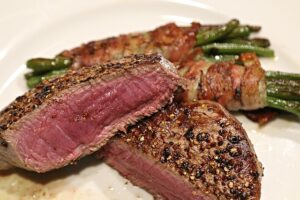
Health Canada lists the following internal temperatures for whole cuts of beef:
-
Medium-rare: 63°C or 145°F
-
Medium: 71°C or 160°F
-
Well done: 77°C or 170°F
Insert the thermometer into the thickest part of the steak, away from bone. Mechanically tenderized beef should reach at least 63°C or 145°F and be turned at least twice during cooking.
Let the steak rest
Move the cooked steak to a clean plate or cutting board and let it rest before slicing. Resting allows heat and moisture to redistribute through the meat.
A smaller steak may need approximately five minutes, while a large or especially thick steak may benefit from closer to ten.
Slice against the grain
Look for the direction in which the muscle fibres run, then cut across those lines rather than alongside them. This is especially important for sirloin, flank, skirt & flat iron steaks.
Which Steak Should You Choose?
Choose ribeye when you want maximum richness, marbling & bold beef flavour.
Choose striploin when you want a classic steakhouse balance of tenderness and flavour.
Choose tenderloin when exceptional tenderness is the priority.
Choose sirloin when you want a versatile steak for grilling, slicing or weeknight meals.
Choose T-bone or porterhouse when you want both striploin and tenderloin in one impressive cut.
Choose flat iron, flank or skirt when you want big flavour for tacos, sandwiches, salads or other sliced-steak meals.
There is no single “best” steak. The right choice depends on how you plan to cook it, the flavours you enjoy & the meal you want to create.
Find Your Next Favourite Steak at Rangeland Meats
Located in Heffley Creek near Kamloops, Rangeland Meats brings local ranching, licensed meat processing & skilled custom cutting together in one trusted BC Interior operation.
Whether you are planning a family barbecue, celebrating a special occasion or simply want to make the weekend delicious, our team can help you choose the right cut.
Availability can vary, so contact Rangeland Meats for current steak selections or explore our online ordering options.
Raised Here. Made Here. Trusted Here.